
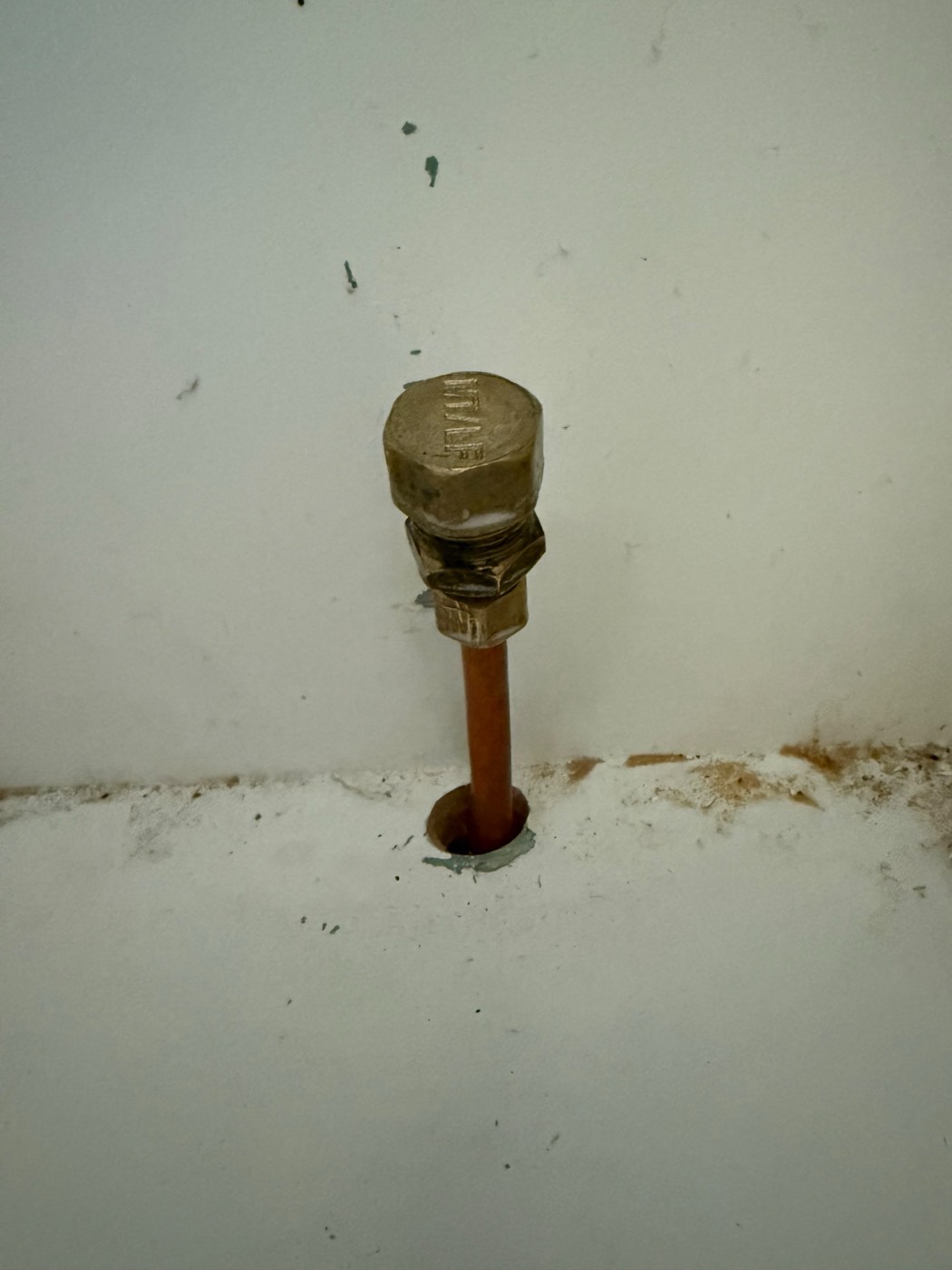
We were in a Ponsonby kitchen recently to remove a gas cooktop — the owners were switching to induction. It’s a job we’re doing more and more often.
Induction is winning kitchens
A few years ago gas was the default for anyone who cared about cooking. Now a lot of renovations go the other way: induction is fast, the bench is easier to clean with nothing to lift out, there’s no flame in the room, and there’s no combustion in a kitchen that’s often part of the living space.
Whatever the reason, the plumbing side of the change is the same — the gas has to come out properly.
Removing gas isn’t just unplugging it
Disconnecting a gas appliance is gasfitting work, and it needs a licensed gasfitter. On a cooktop removal that means isolating the supply, disconnecting the appliance, and capping the line properly so there’s nothing live left in a cabinet behind a new benchtop.
Where the line goes from there depends on the house. Sometimes the gas is still feeding hot water or a heater, so the branch is capped and the rest stays in service. Sometimes the cooktop was the only gas appliance, and the whole thing can be decommissioned — which is also the moment to think about whether you still want to pay a fixed daily charge for a gas connection you no longer use.
That’s worth deciding before the kitchen goes back together, not after.
While the kitchen is apart
A cooktop swap usually happens during a kitchen renovation, and the cabinets being out is the cheapest moment to do anything else under that bench — a new tap, a dishwasher connection, or an under-bench water filter. Doing it later means pulling things apart again.
We do both sides of it
Because we’re certifying plumbers and gasfitters, the gas removal and the plumbing work in the same kitchen are one visit and one point of contact, rather than coordinating two trades around the cabinetmaker.
Planning an induction switch in Ponsonby or central Auckland? Give us a call and we’ll sort the gas side of it properly.
Common questions
Can I disconnect the gas cooktop myself?
No — disconnecting a gas appliance is gasfitting work and needs a licensed gasfitter. The line has to be isolated and capped properly so there’s nothing live left in a cabinet behind a new benchtop.
Should I remove the gas connection completely?
It depends on whether anything else in the house runs on gas. If the cooktop was your only gas appliance, decommissioning the connection means you stop paying a fixed daily charge for a service you no longer use. If gas still feeds hot water or a heater, we cap the branch and leave the rest in service.
Do I need an electrician as well?
For the induction hob, yes — it needs its own supply, and that’s electrical work. We handle the gas removal and the plumbing side; the electrical connection is done by an electrician.
Is it better to do this during a kitchen renovation?
Much better. With the cabinets out, everything under that bench is accessible, so a new tap, a dishwasher connection or an under-bench filter can be done in the same visit rather than pulling things apart again later.
What if I want to go back to gas one day?
That’s part of the decision. Keeping the line capped rather than removing it makes a future reconnection simpler, and it’s worth telling us if that’s in the back of your mind before we decide how far to strip it out.