We repair, replace and install waste disposers — InSinkErator and every other brand — and we clear the blocked kitchen lines that most of these calls turn out to be. Both come from the same visit, which is the point.
All brands
Repaired not only InSinkErator
Blocked line
Cleared same visit jetting, machine or pipework
Licensed
PGDB plumber · gasfitter · drainlayer
What has actually gone wrong
Nearly every disposer call we take is one of these. Knowing which one you have changes who you should ring and what it is likely to involve.
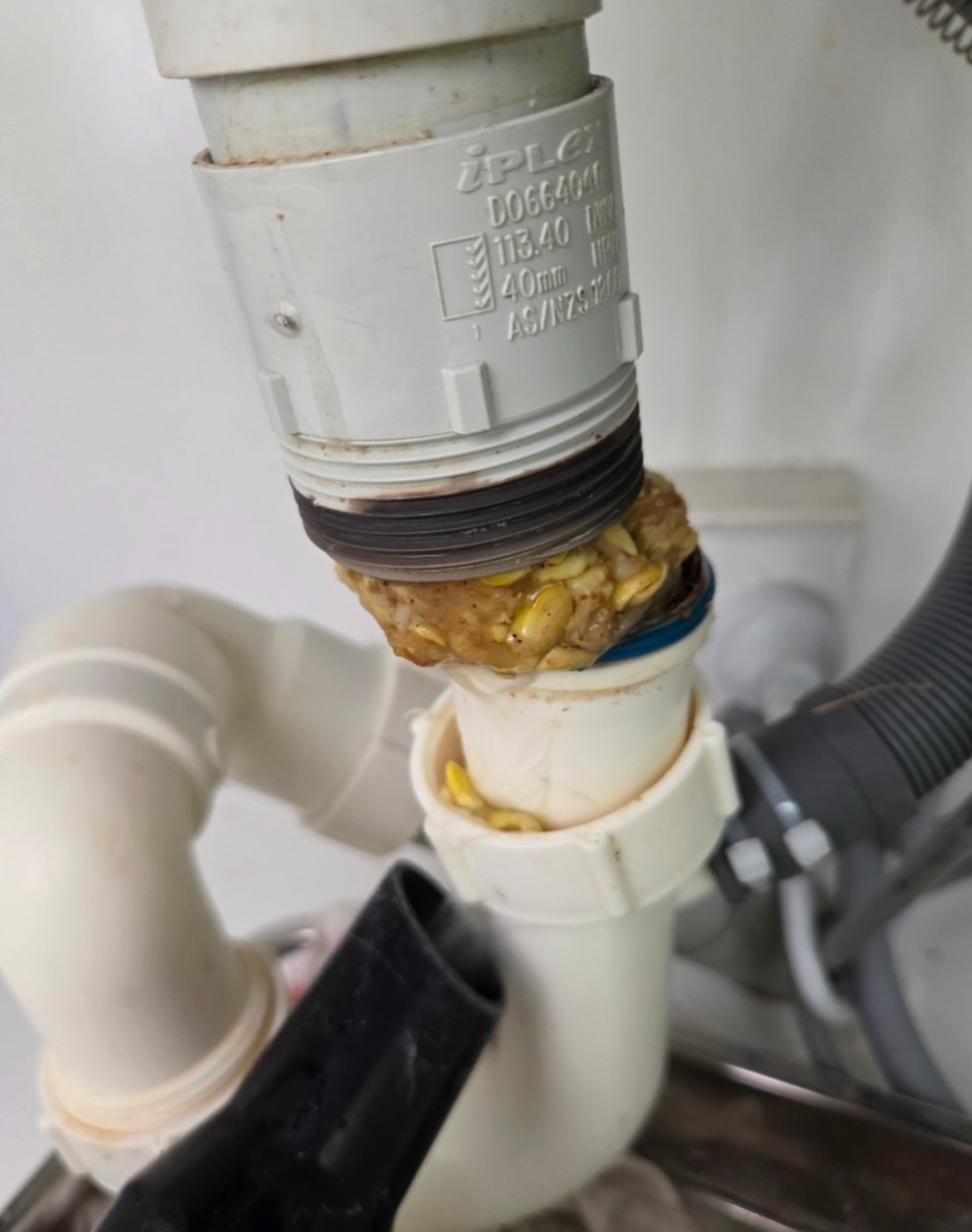
This is most of our callouts, and the unit is usually fine. Years of grease line the waste pipe, ground food packs into the grease, and eventually nothing gets past. The sink backs up, and the disposer gets the blame for a problem that is a metre downstream of it.
The motor hums and the grinding plate will not turn. There is a hex wrench hole in the base of the unit for exactly this, and a reset button next to it. It is worth trying, and plenty of people fix it themselves — if it will not free up, or the object will not come out, that is when we come.
No hum, no movement, nothing after a reset. At that point it is a replacement rather than a repair, and the main question becomes which unit can go back in — which is not always a free choice.
The blocked line
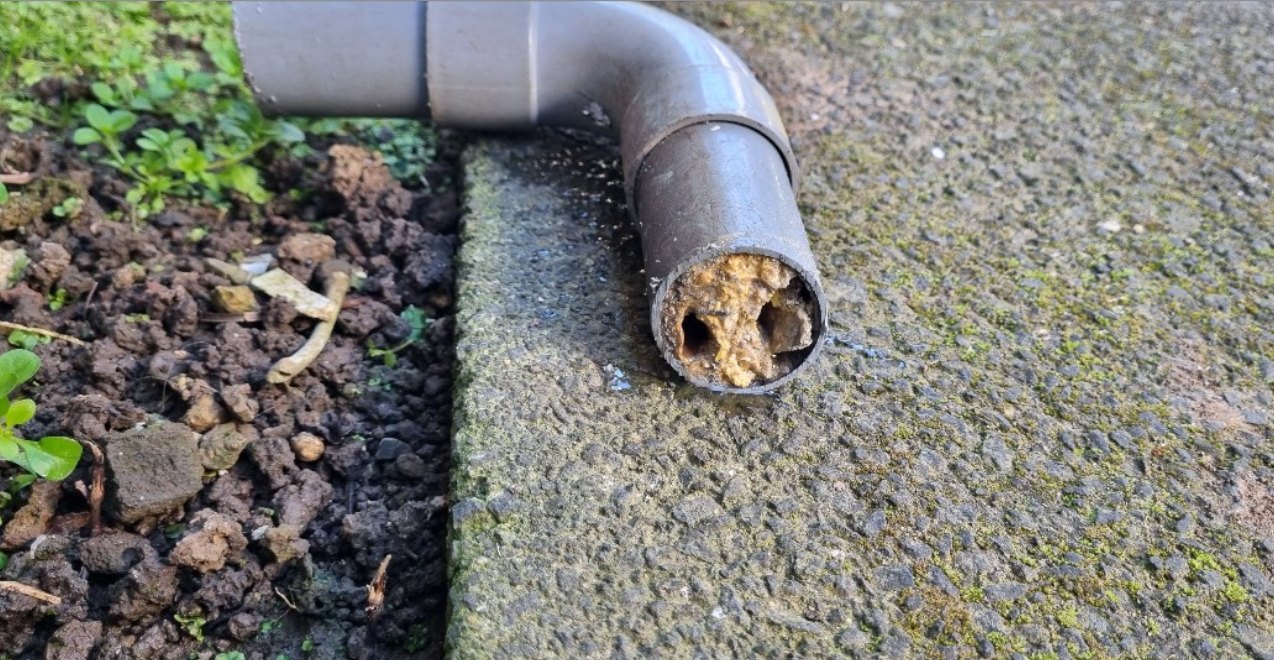
Fat and oil go down a kitchen sink warm and set on the inside of the pipe cold. Over years that lining thickens. A disposer then delivers a steady supply of finely ground food straight into it, and the two together build a plug that water will not move.
This is why nothing poured down the sink works on it. It is not a soft clog with gaps in it, it is a solid length of pipe, and liquid sits on top of it. It takes a machine — dismantling the waste under the sink, a drain machine, or high pressure water — and which of those depends on how far down it goes and what the pipe is made of.
The honest answer, when a line is genuinely packed: the best repair is replacing the waste pipe rather than cleaning it. A pipe that has been that blocked once is lined and pitted, and it closes up again. Where the pipe is accessible under the bench that is straightforward work. Where it runs buried in a concrete floor, digging it up is out of proportion to the problem, and clearing it with the machine is the right call.
More on what a kitchen line can and cannot take in what plumbers wish you would stop putting down the sink, and on blockages further out in blocked drains in Auckland.
The thing most people have wrong
There are two separate lists here, and almost everything written about disposers runs them together. One jams the machine. The other goes through the machine perfectly, exactly as the manufacturer intended, and then stops the pipe instead.
Jams the unit
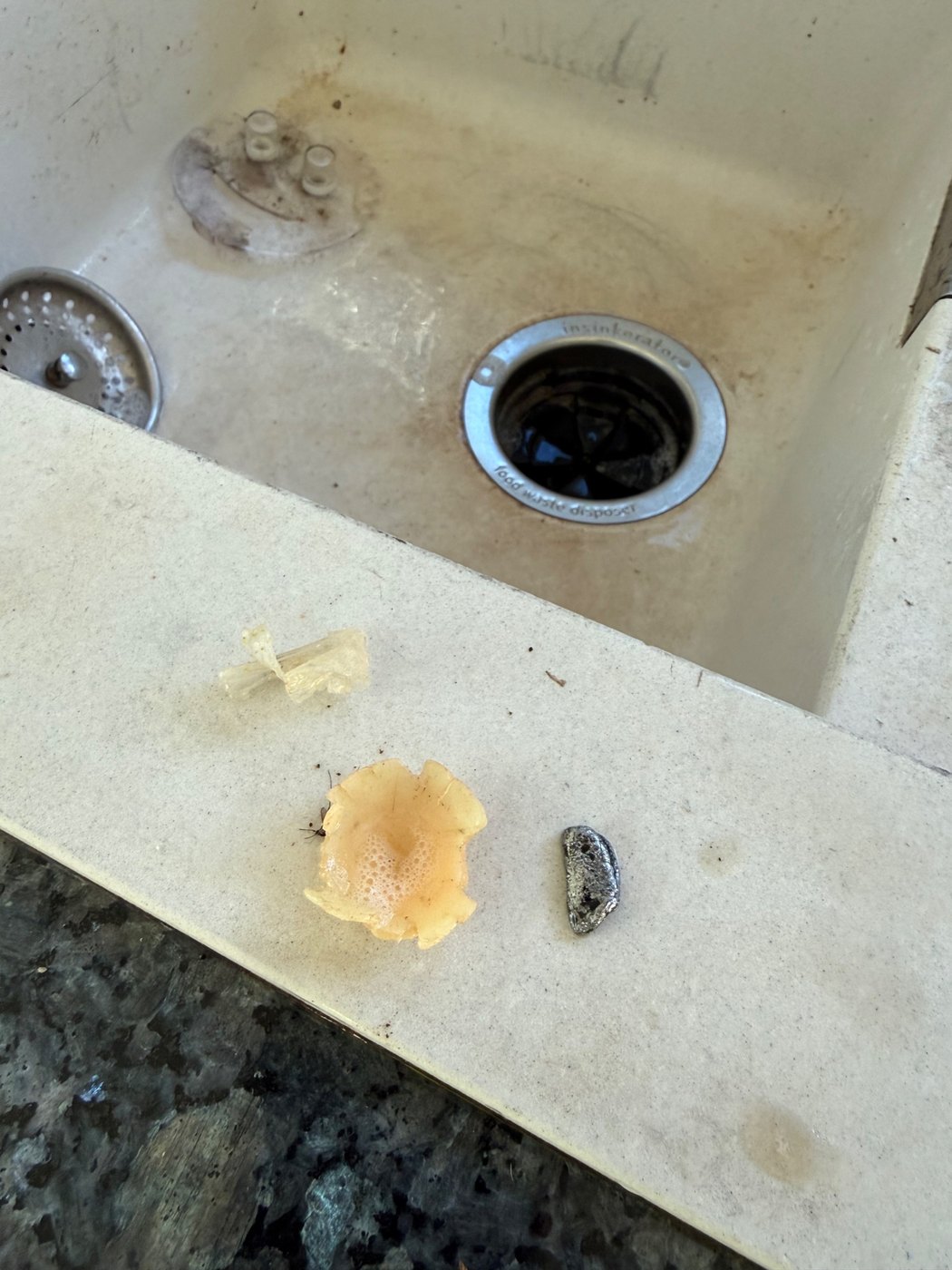
Bones and stones stop the plate, fibrous greens wrap around it. The unit hums and stops. Coins, teaspoons and sink plugs belong here too, and they are a steadier part of this work than anyone expects — in most of those cases the unit is undamaged once the object is out.
Grinds fine, then blocks the pipe
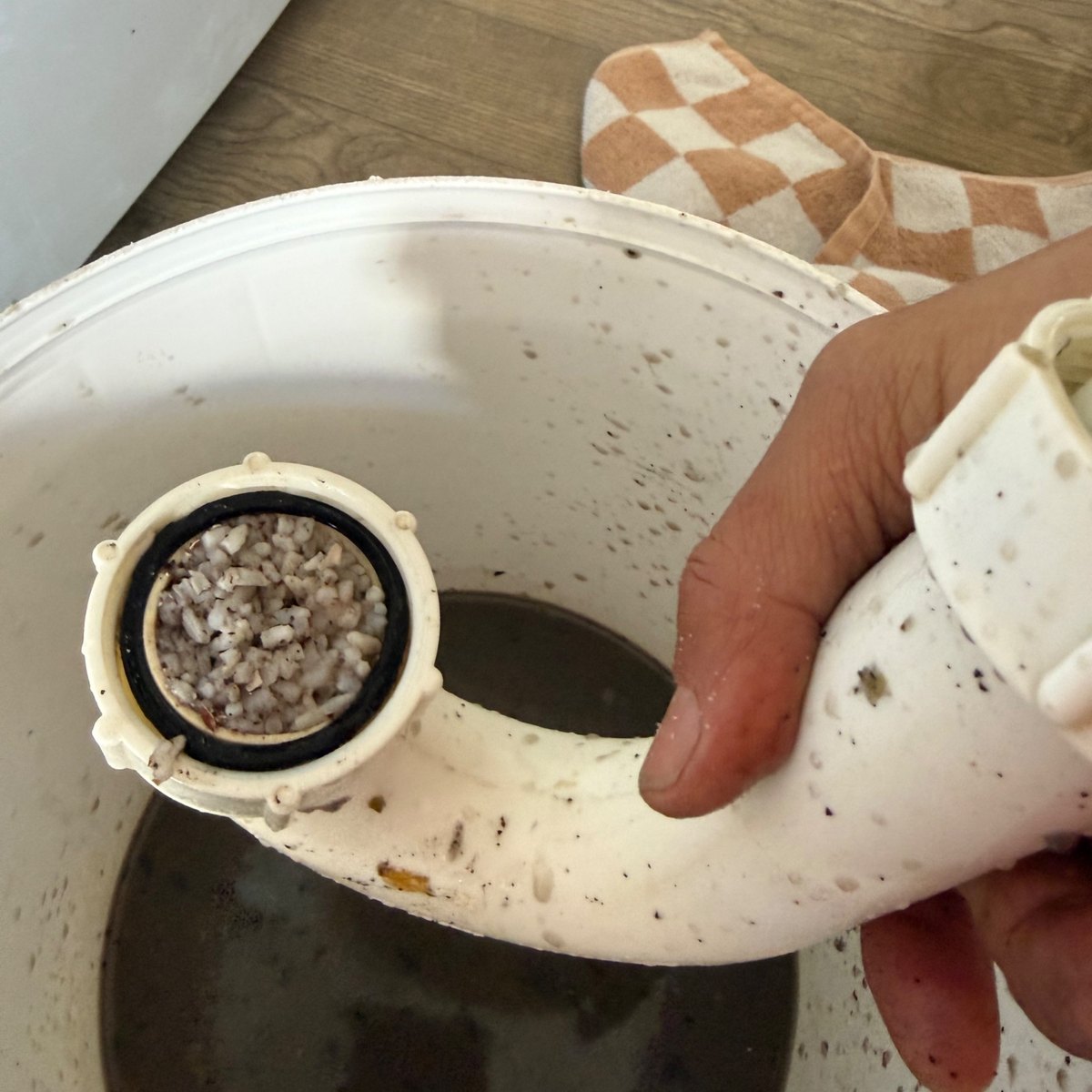
This is the list that matters, and the disposer handles every item on it without complaint. Eggshells and coffee grounds are the worst of them: ground fine, they behave like wet sand, and they stick to the grease already lining the pipe rather than washing past it. Layer builds on layer until there is no gap left for water to get through — which is the blockage above, and why the sink is backing up while the machine is working fine.
Before you call
Turn the power off, then try the hex wrench in the base.
It frees most jams, and the reset button beside it brings the unit back. If the sink still will not drain afterwards, the problem is the pipe, not the unit.
Replacing one, or fitting a first
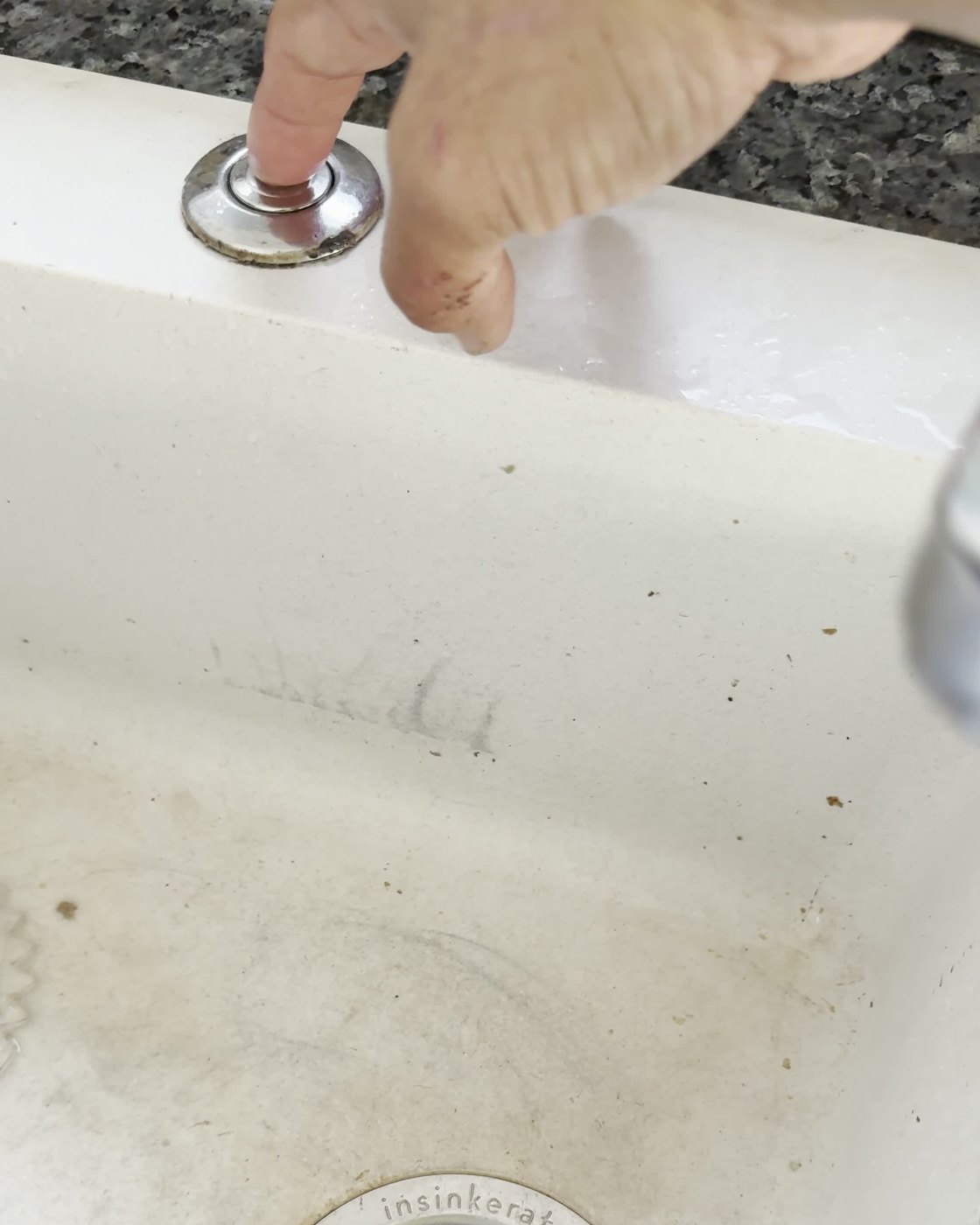
Some disposers are switched by a button set into the benchtop or the sink rather than a switch on the wall. That is an air switch, and the switching is built into the unit, so a model with one can only be replaced by another model with one. It is the single most common reason a replacement that looked like a straight swap is not.
Fitting a disposer into a kitchen that has never had one is a different job again. It needs a sink outlet of the right size, enough room under the bench, waste pipework that can be re-arranged around it, and power at the right place — which usually means a registered electrician alongside us. That is why we look at these on site rather than quoting them over the phone, and it is also why the quote holds once it is given.
If the kitchen is being renovated anyway, this is far easier to do then than later.
Two things, mostly: how finely it grinds, and how quiet it is. The cheaper units do one pass and leave the food coarser; the dearer ones take it further before it goes anywhere, and they are built with more insulation and better mounting, so the difference from the other side of the kitchen is real.
Worth knowing what that does not buy: a finer grind does not stop a pipe blocking. The eggshells and coffee grounds still end up in the grease downstream, and arguably a bit more readily for being finer. Spend the money on quiet if the kitchen is open plan, and on the grind if the household puts a lot through it — but the waste pipe underneath is a separate conversation either way.
See also kitchen renovation plumbing and our renovation work.
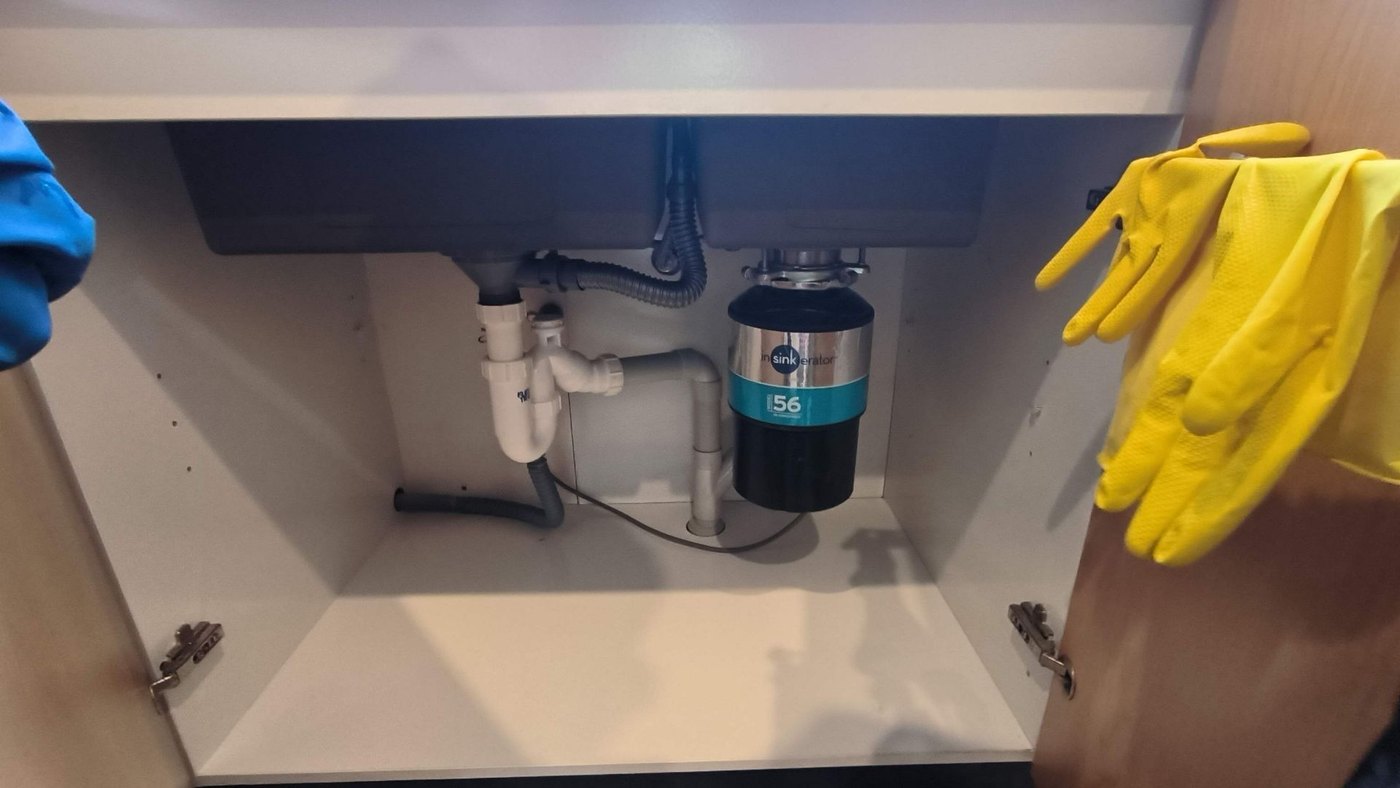
Often, yes, and it is worth trying before calling anyone. Switch the power off at the wall or the board first. There is a hex wrench hole in the underside of the unit — the wrench usually comes taped to the body — and working it back and forth frees most jams. Next to it is a reset button that needs pressing once the jam is clear. If the flywheel will not move, or something is in there that will not come out, that is a job for us.
Usually the drain. A disposer grinds food fine enough to go down a pipe that is clear, but the pipe under an older kitchen is rarely clear: fat and oil coat the inside over years, and ground food sticks to that coating until the line closes up. Eggshells and coffee grounds are the worst for it, because ground fine they behave like wet sand and pack into the grease rather than washing past it. If the unit still spins and the water still will not go, the blockage is downstream and the unit is not the problem.
Not on this kind of blockage. What is in the pipe is a solid plug of grease and food rather than a soft clog, and the liquid sits on top of it rather than passing through. Poured repeatedly it also does nothing for the pipe itself. This is the point where it needs machinery rather than chemistry.
Yes. InSinkErator is a brand name rather than the name of the appliance — the appliance is a waste disposer, and Fisher & Paykel, Robinhood and others all make one. We repair and replace across brands. Where a part is only available from one manufacturer we will say so before ordering anything.
It has to match on one thing in particular. Some models are switched by an air switch, a button sitting in the benchtop or the sink, and those can only be replaced by another air switch model — the switching is built into the unit. Fitting a disposer where there has never been one is a bigger job again: it needs the right sink outlet, room under the bench, waste pipework that suits, and usually a registered electrician, so we look at it on site before quoting.
Rates on the rates page, more answers in our plumbing FAQ, and the rest of what we do on services.
