Cooktops, continuous flow hot water, LPG bottles, fireplaces, capping off for induction and commercial kitchens. We are certifying gasfitters, so the work is tested and signed off by the people who did it.
Every job
Tested and certified paperwork included
Both supplies
LPG and natural gas bottled or piped
Licensed
PGDB gasfitter · plumber · drainlayer
What brings you here
Each one links to the longer explanation. None of them are jobs to attempt yourself: gas work is legally restricted to licensed people, for good reason.
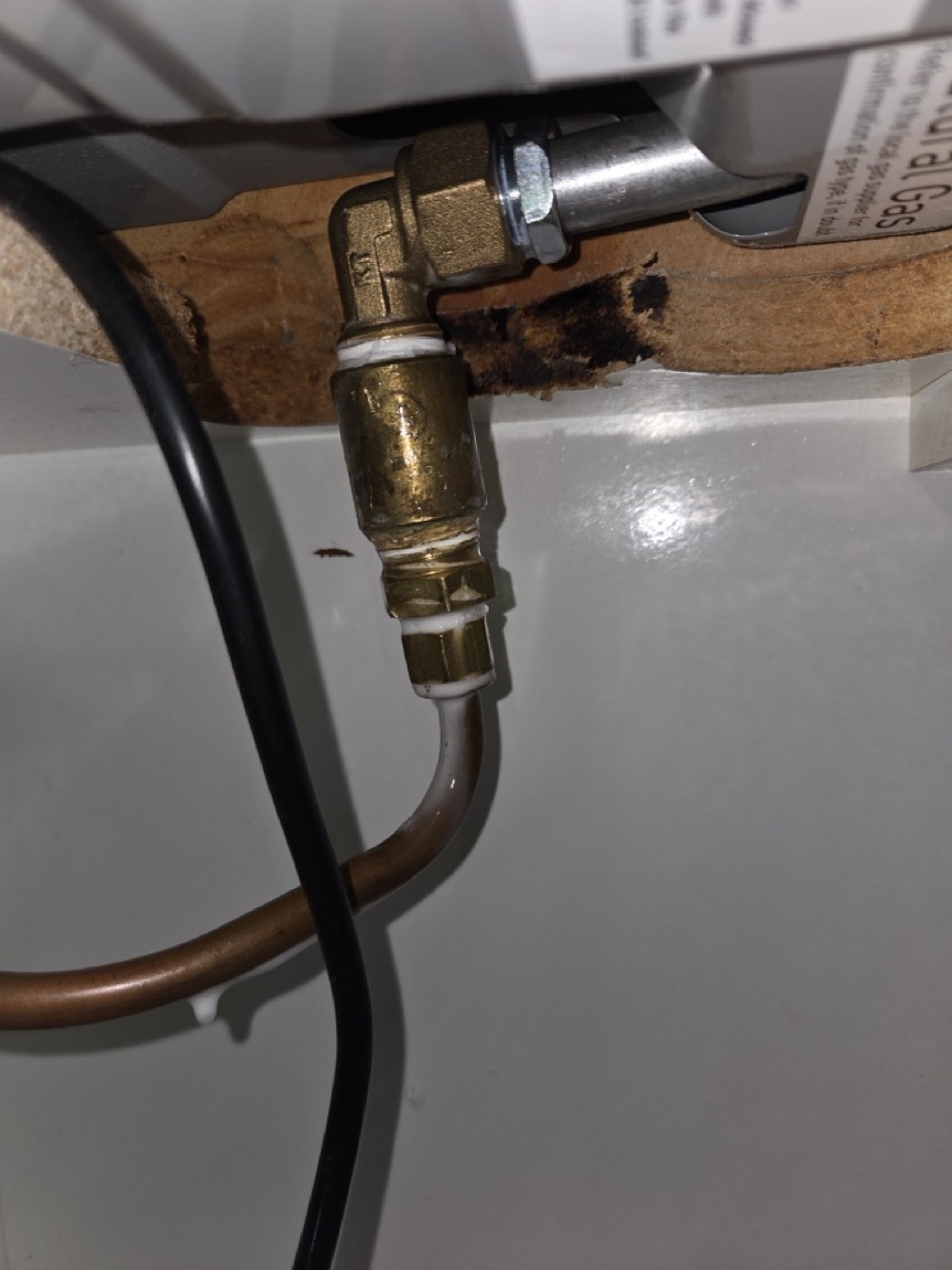
It could be a leak or it could be normal ignition on that type of appliance, and the only way to know is a pressure and leak test. Most gas smells we attend are not leaks. The visit is still worth it.
What to do when you smell gas, and how a leak is found →Connecting a hob is gasfitting, and so is moving one along the bench. There are clearances the standard sets beside and above it, and on a replacement the old cut-out size decides how easy the swap is.
Cooktop clearances and connections →Taking the gas out is not unplugging it. The line is capped at a safe point and tested, or the connection is decommissioned entirely if nothing else in the house uses gas.
Switching from gas to induction →Storage and continuous flow fail in completely different ways. On a continuous flow unit, read the error code before anyone drives out — it often saves a diagnostic visit.
No hot water on a gas system →If nothing about your usage has changed, get the installation tested before blaming the supplier. The automatic changeover regulator is the component we most often find leaking.
LPG bottles, changeover regulators and why they empty →Cutting out after twenty minutes and not lighting at all are different faults, and the flue is the part nobody thinks about. A service fixes most of it; some units are past it.
What a gas fireplace service actually does →The certificate
Two moments make people wish they had one. Selling the house, when the buyer’s builder asks who put the califont in and nobody knows. And a claim, when the insurer wants to know whether the appliance involved was installed by someone entitled to do it.
If a property has older gas work with no paperwork behind it, a certifying gasfitter can test what is there and certify it, or tell you what needs doing first.
The full picture is in gas work at home: what needs a certifying gasfitter, and for restaurants in commercial kitchen gas.
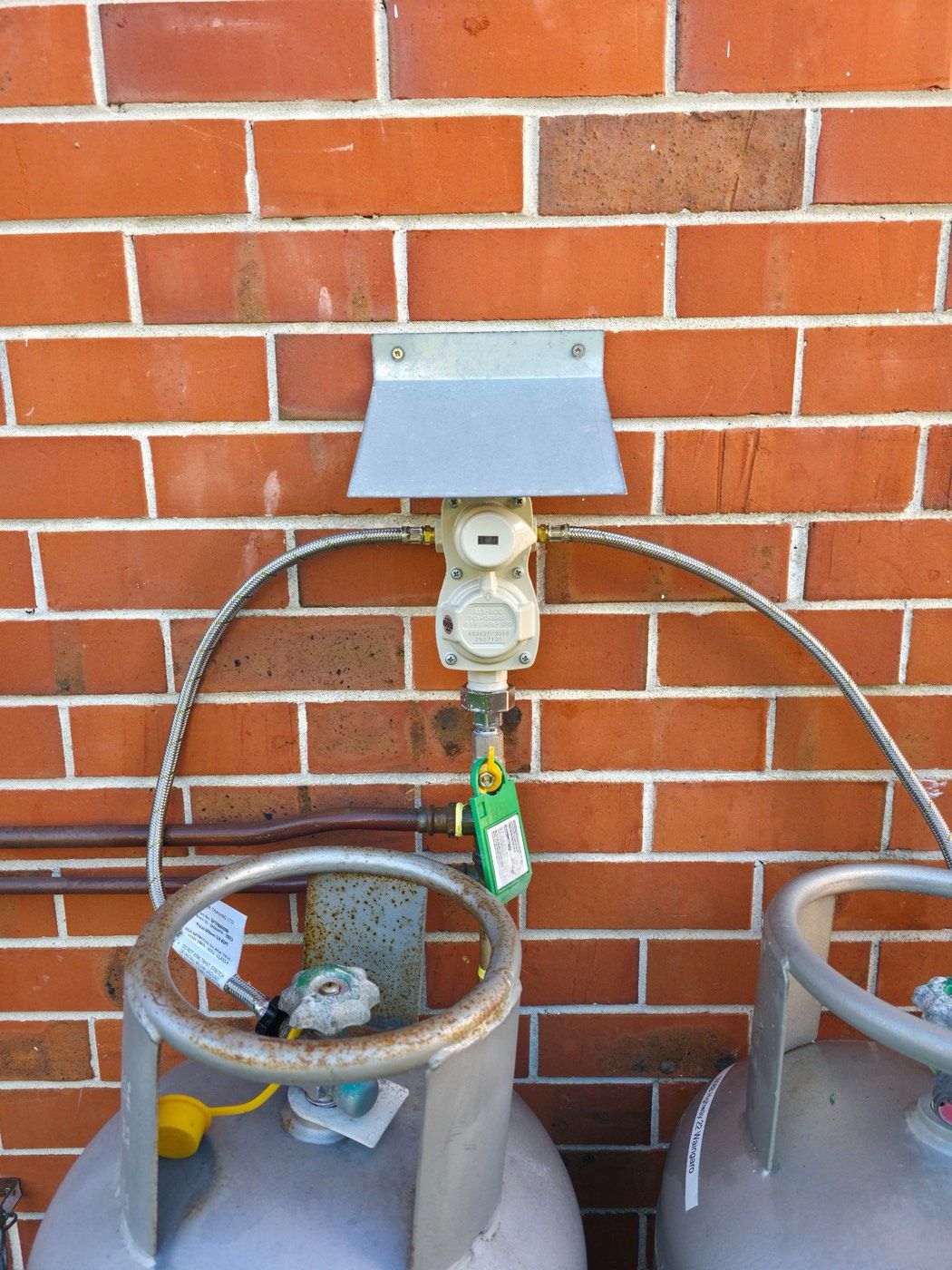
Bottled or piped
Reticulated gas is piped to the property and metered. Bottled LPG sits outside in 45 kg cylinders. They run at different pressures, and an appliance moved from one to the other needs converting before it is safe to use.
Bottles have rules of their own: outdoors, upright, on a firm base, clear of drains, windows and anything that sparks. A cylinder tucked under the kitchen window because it is out of sight is a problem, not a solution.
Smell gas now?
No flames, no switches. Supply off, windows open, everyone outside.
Ring your gas supplier’s emergency line from outside the house — the number is on your bill and the meter. Then have the installation tested.
More than most people expect. Running or altering a gas line, connecting an appliance to it, disconnecting one and capping the pipe, and moving a hob along the same bench are all gasfitting, and all legally restricted to licensed people. Swapping a barbecue bottle is not.
Yes. Gasfitting work should end with a gas safety certificate, and it is worth keeping: buyers’ builders ask for it when you sell, and insurers ask for it after a claim. On a cooktop installation we sometimes need a photo of the finished benchtop before it can be issued, because the certificate covers the whole installation, not just our pipework.
Do not look for it with a flame and do not switch anything electrical on or off. Turn the supply off at the meter or the bottle if you can reach it safely, open the doors and windows, get everyone outside, and ring your gas supplier’s emergency line from outside. Then have the installation tested.
Not as it stands. Bottled LPG and reticulated natural gas run at different pressures, and appliances are built and jetted for one or the other. Moving one across needs a conversion by a gasfitter.
Yes — wok burners, regulators and the supply sizing that decides whether everything can run at once. Second-hand commercial equipment is where most of the risk sits, and the certificate is what the landlord and the insurer will want to see.
Rates on the rates page, more answers in our plumbing FAQ, and the rest of what we do on services.
