We clear the drain, put our own camera down it on the same visit, and tell you whether that was the end of it or the first of several. Certifying drainlayers, so the repair and the paperwork come from us too.
CCTV camera
Our own same visit, not a second booking
Most blockages
Cleared in an hour jetter or drain machine
Licensed
PGDB drainlayer · plumber · gasfitter
What it is doing
The quickest check before calling anyone: how much of the house is affected. If using one fixture makes another back up, the blockage is below where their pipes meet.
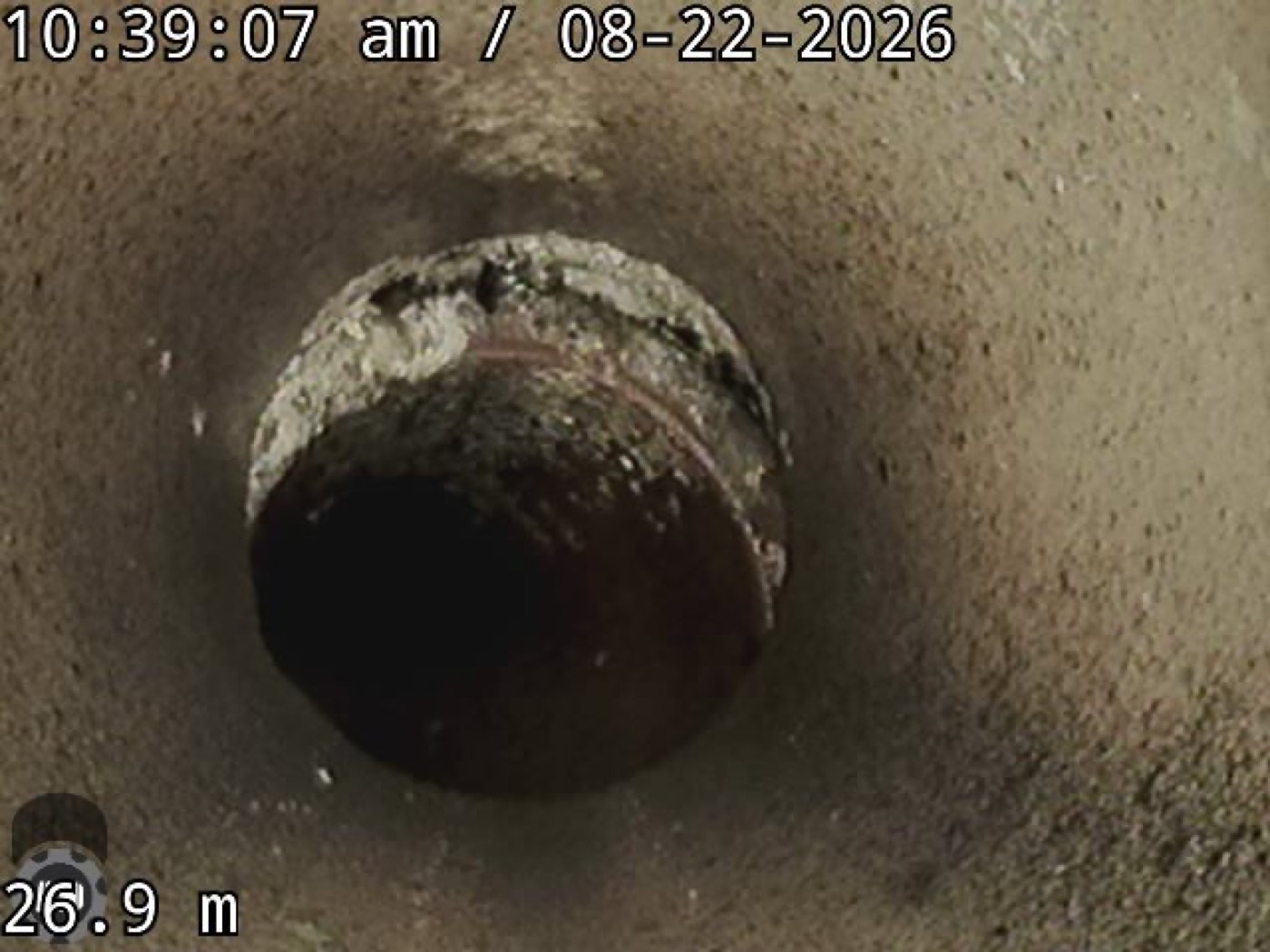
When one fixture backs up because another was used, the blockage is past the point where their pipes join. That is a drain, not a plunger job, and it only gets worse with every flush.
Blocked drains: what is blocked and whose pipe it is →Unpleasant, urgent, and also the system doing exactly what it was built to do: spill outside rather than up through the shower. Stop using water inside until the line is cleared.
What an overflowing gully trap actually means →A smell with no blockage is usually a trap that has lost its water seal — a cracked shower insert or a fixture nobody uses. A smell with slow or gurgling drains points further down the line.
Why a bathroom smells like sewage →Nearly always fat and food, set in the pipe over years. Nothing poured down the sink shifts it, and if there is a disposer on the sink it is usually not the disposer that has failed.
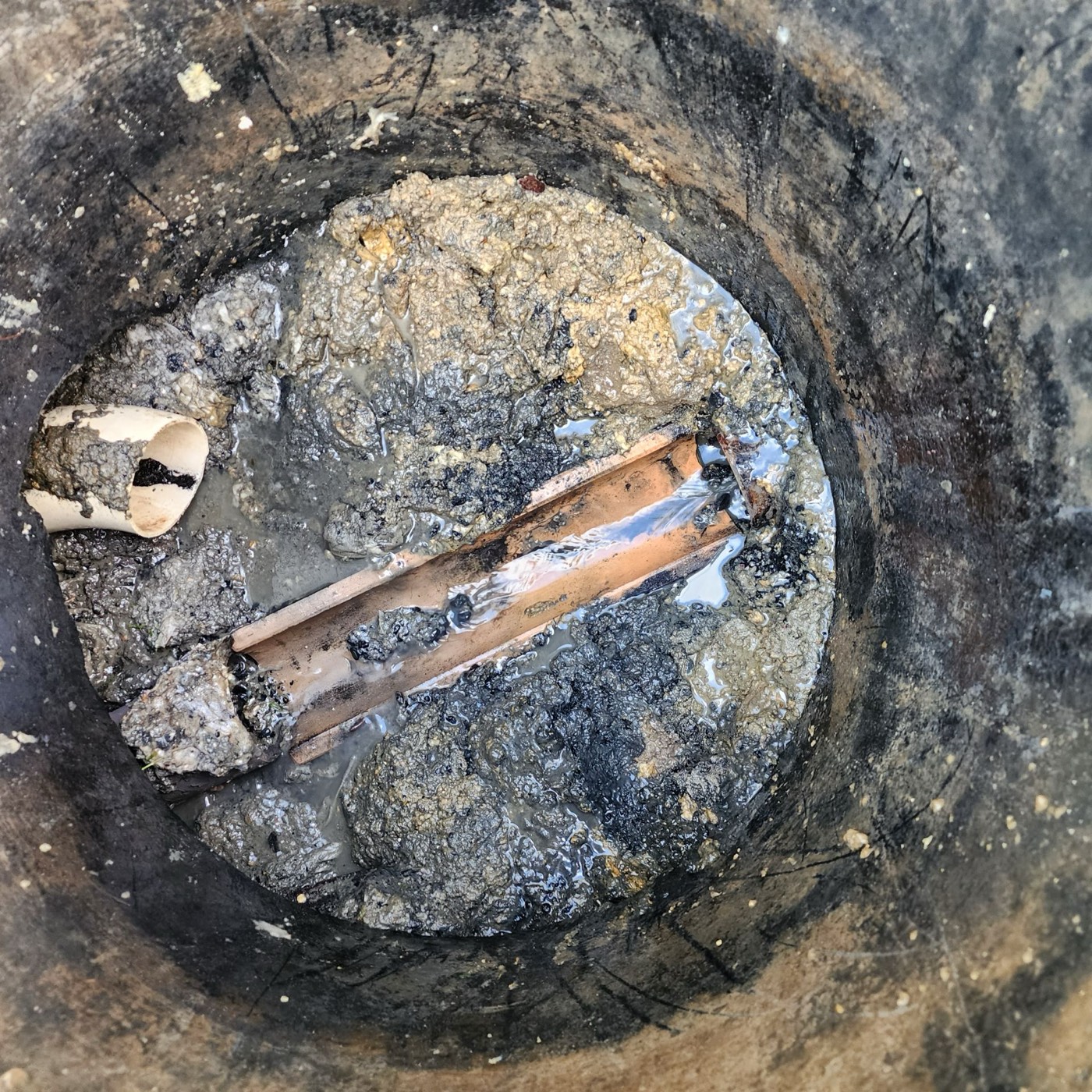
Blocked kitchen lines and waste disposers →Often a shared private drain or an old earthenware chamber that has broken. Working out whose section it is comes before anything else, because it decides who pays.
West Harbour: a shared chamber under the driveway →Surface and ground water, not a burst pipe. The fix is getting that water away from the house before it reaches the foundations — which is subsoil drainage, not plumbing.
Subsoil drainage: stopping water before it gets in →How a drain job runs
A drain machine or a high pressure jetter, depending on what is in there. Roots need cutting rather than pushing, and fat needs water and pressure rather than a rod.
We own our CCTV camera, so it goes down on the same visit instead of being booked separately. What comes back is the actual pipe: where it is, how deep, and what state it is in.
Cleaning is enough and it will be fine for years. Cleaning is enough for now, and the same joint will do this again every winter. Or the pipe is broken, and clearing it again is money spent on nothing.
A single failed joint gets a spot repair. A line full of small root entries is a relining or replacement question. Under a concrete driveway, the answer changes again, and we say so before quoting.
We are certifying drainlayers. Drainage work that needs consent is done and signed off by us, and the as-built plan comes from the people who dug the trench.
Whose drain is it
The private drain from your fixtures to the point of connection is yours — including the length down the side of the house and under the lawn. The public wastewater main and the connection are Watercare’s.
The awkward one is the shared private drain. In a lot of older Auckland streets two or more properties run into one private line before it meets the main, and that shared section belongs to all of them. The camera and the council drainage plans usually settle it on the day.
Backing up now?
Stop using water inside, lift the gully grate and clear the leaves, then call.
Every flush and every load of washing is now going somewhere it should not. Leave the chemical drain cleaner in the cupboard.
On a slow basin with soap and hair in it, sometimes. On a genuinely blocked drain, no. The blockage is usually metres away and mostly solid, and the liquid sits on top of it. Roots ignore it completely, and it means whoever opens the pipe next is opening it onto caustic liquid.
The private drain from your fixtures to the point of connection is yours, including the section under the lawn. The public wastewater main and the connection itself are Watercare’s. In many older streets two or more houses share one private line before it reaches the main, and that shared section belongs to every property on it. The camera usually settles which one it is.
Yes, unless the way in gets fixed. Cutting clears the pipe but leaves the crack or open joint that let the roots in. If the camera shows one failed joint, repairing that section solves it for good. If the whole line is full of small entries, relining or replacing it is the answer.
Yes. We are certifying drainlayers as well as plumbers and gasfitters, so drain repairs and new drainage that need consent are done and signed off by us rather than subcontracted. Registration can be checked on the public PGDB register.
A straightforward blockage is charged at our ordinary rates and most clear within the first hour; the camera adds twenty minutes or so. Repairs are quoted once we know what the camera shows, because a single joint under a lawn and a full line under a concrete driveway are not the same job. Rates are published on our rates page.
Rates on the rates page, more answers in our plumbing FAQ, and the rest of what we do on services.
