Most of the cost of a hidden leak is not the repair. It is everything that gets opened up looking for it. We locate it before anything is cut, and we write the report ourselves.
Located without
Breaking anything until we know where
Insurance
Report from us not a subcontractor
Licensed
PGDB plumber · gasfitter · drainlayer
Where it is showing up
Water travels along joists and under floors before it appears, so the wet patch is rarely above the leak. Find the one below that matches what you are seeing.
A bathroom above is the usual suspect, but roofs, flashings and waste pipes all leave the same mark. The shape of the stain and whether it moves after rain narrows it down before anything gets opened up.
Ceiling stains: bathroom above, roof, or something else →A bill that jumps with no change in the household almost always means water is leaving the pipe somewhere. The meter will say so in about a minute, and Watercare has a leak allowance worth knowing about before you pay it.
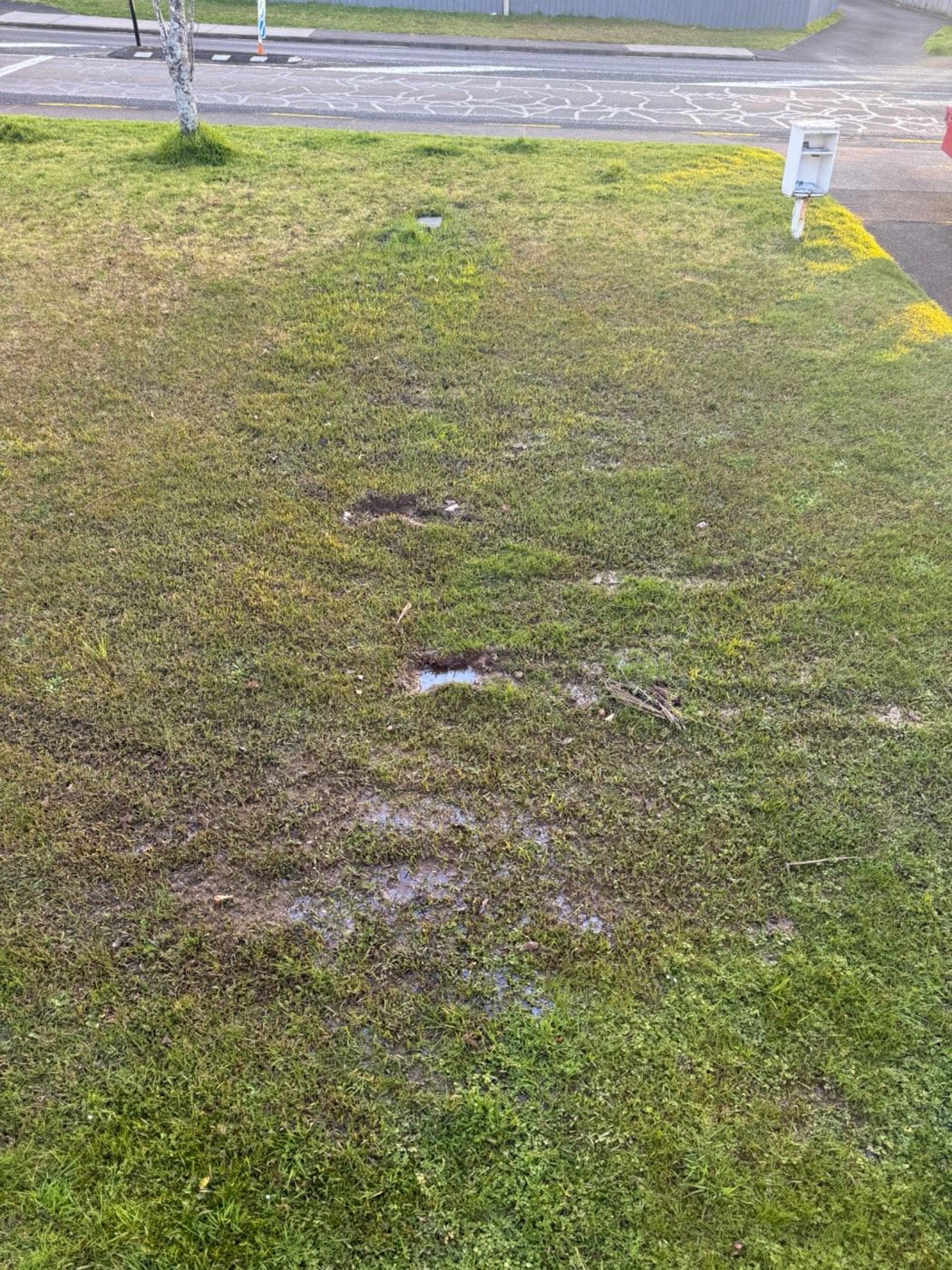
A doubled water bill, and the leak allowance →Ground that stays wet through a dry week is usually a supply line under the lawn or the driveway. These run at mains pressure, so they lose a lot of water without ever surfacing as a puddle.
Underground leaks: wet ground with no obvious cause →Mixers, shower bodies and pipework inside walls leak quietly for months. Getting the location right matters here more than anywhere else, because the wrong guess means tiles off a wall that was fine.
A shower mixer leaking inside the wall →Concrete changes the cost of everything after the leak is found, which is exactly why it is worth locating precisely rather than breaking out a wide area and looking.
Leaks under concrete: how they show up and what it takes to reach them →Three repairs in a season is not bad luck. When every metre of pipe is the same age and material, fixing the worst section only promotes the next one. Dux Quest houses are the clearest example.
When repairs have stopped being the answer →How we find it
Everything starts here, and you can do this part yourself before we arrive. Turn every tap off, watch the meter, and see whether it moves. It tells us whether water is leaving the system at all, and roughly how fast.
Shutting off parts of the system one at a time tells us which run is losing water — supply, hot, or a fixture. This is what stops a search turning into guesswork across a whole house.
Acoustic listening for pressurised lines, thermal for hot water under floors, and a camera where the leak is in a drain rather than a supply pipe. Which tool comes out depends on what the first two stages ruled out.
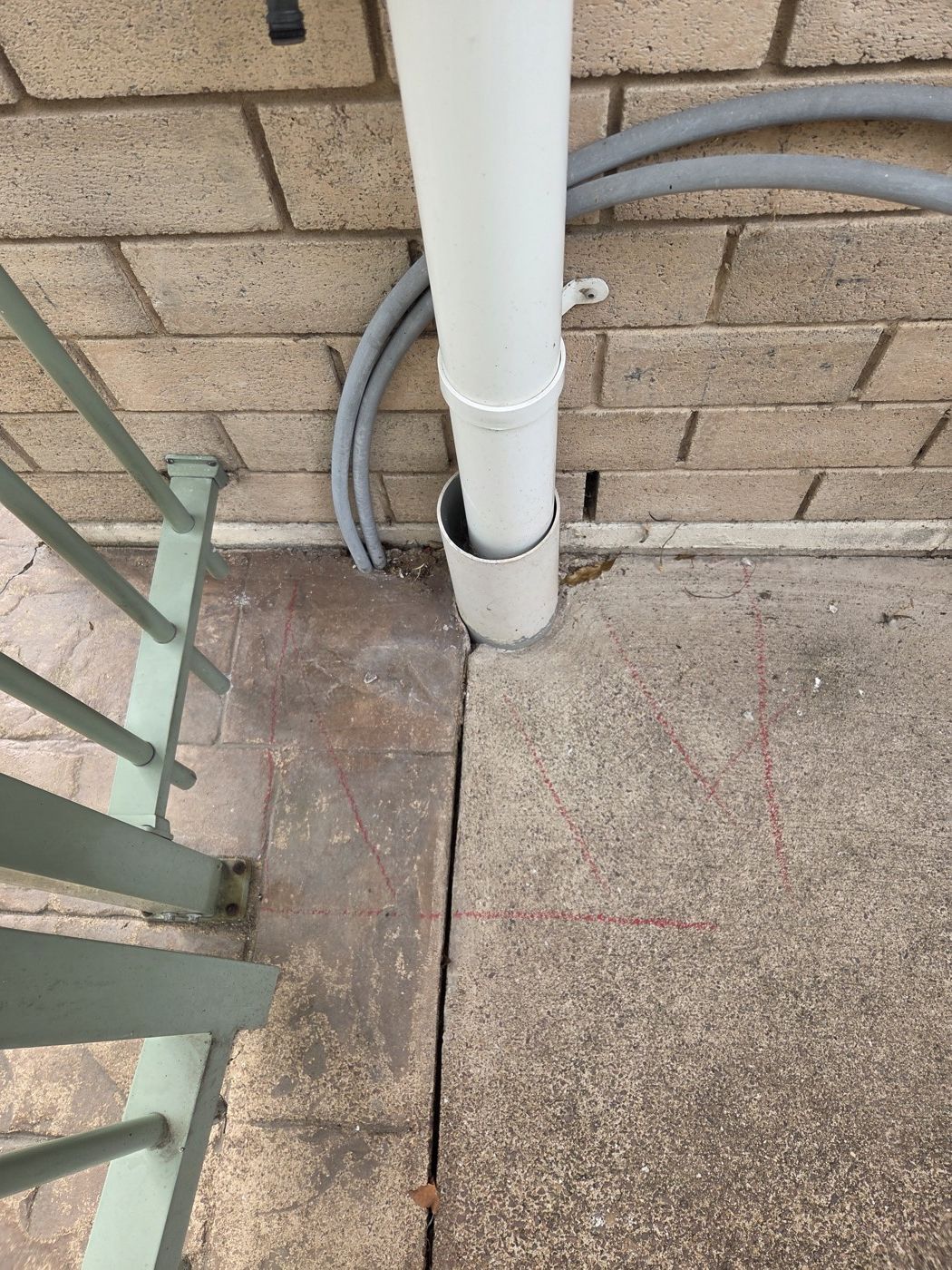
The point of the first three stages is that only one hole gets made. Where the leak is under concrete or behind tile, we will tell you what reaching it involves before anything is cut.
We are certifying plumbers, so the repair and the report both come from us. If it is an insurance job, the wording of that report matters more than most people expect.
The full version of this, with what each stage rules out, is in how we actually find a hidden leak. If you want to run the first stage yourself, there is a one minute meter check.
The insurance part
New Zealand policies generally cover sudden damage and exclude gradual damage. The difference between those two is a judgement, and it is normally made on what the plumber wrote. We do the investigation and write the report, so the two agree.
Leaking now?
If water is running, turn it off at the meter first, then call.
Not sure where the meter is? It is usually at the front boundary.
Turn off every tap and appliance in the house, then look at the water meter. If the dial is still moving, water is going somewhere it should not. That one check separates a leak from a high bill with an ordinary explanation, and it takes about a minute.
The boundary is the point where your private pipework joins the public main, usually at or near the meter at the front of the property. A leak on your side is yours. A leak at or past that connection is Watercare’s. Establishing which one it is before any work starts can change who pays for the whole job.
Not to find it. The meter test, isolation and acoustic or thermal location all happen without opening anything. Opening up comes at the end, once we know where to open, and the whole point of doing it in that order is that it happens once rather than three times.
Most New Zealand house policies cover sudden damage caused by a leak rather than the failed pipe itself, and gradual damage is usually excluded. What the plumber writes in the report often decides which category a claim falls into, which is why it is worth having that report written by whoever actually did the investigation.
It is charged at our ordinary hourly rate rather than as a separate detection fee, and most residential leaks are located within the first visit. Full rates, travel zones and what is included are published on our rates page rather than quoted on the day.
More in our plumbing FAQ, full pricing on the rates page, and the rest of what we do on services.
