Plenty of cold showers are an element, a thermostat, or a cylinder that is simply too small for the household. We work out which one you have before a new unit is part of the conversation — and when it is genuinely due, most replacements are done in a day.
Most replacements
Done in a day hot water back that evening
Electric, gas or heat pump
All three one company, one certificate
Licensed
PGDB plumber · gasfitter · drainlayer
Start with what it is doing
It is the first thing we ask on the phone, because the two send you to different trades. Cold usually means electrical. Lukewarm usually means the cylinder is working exactly as designed and there is not enough of it.
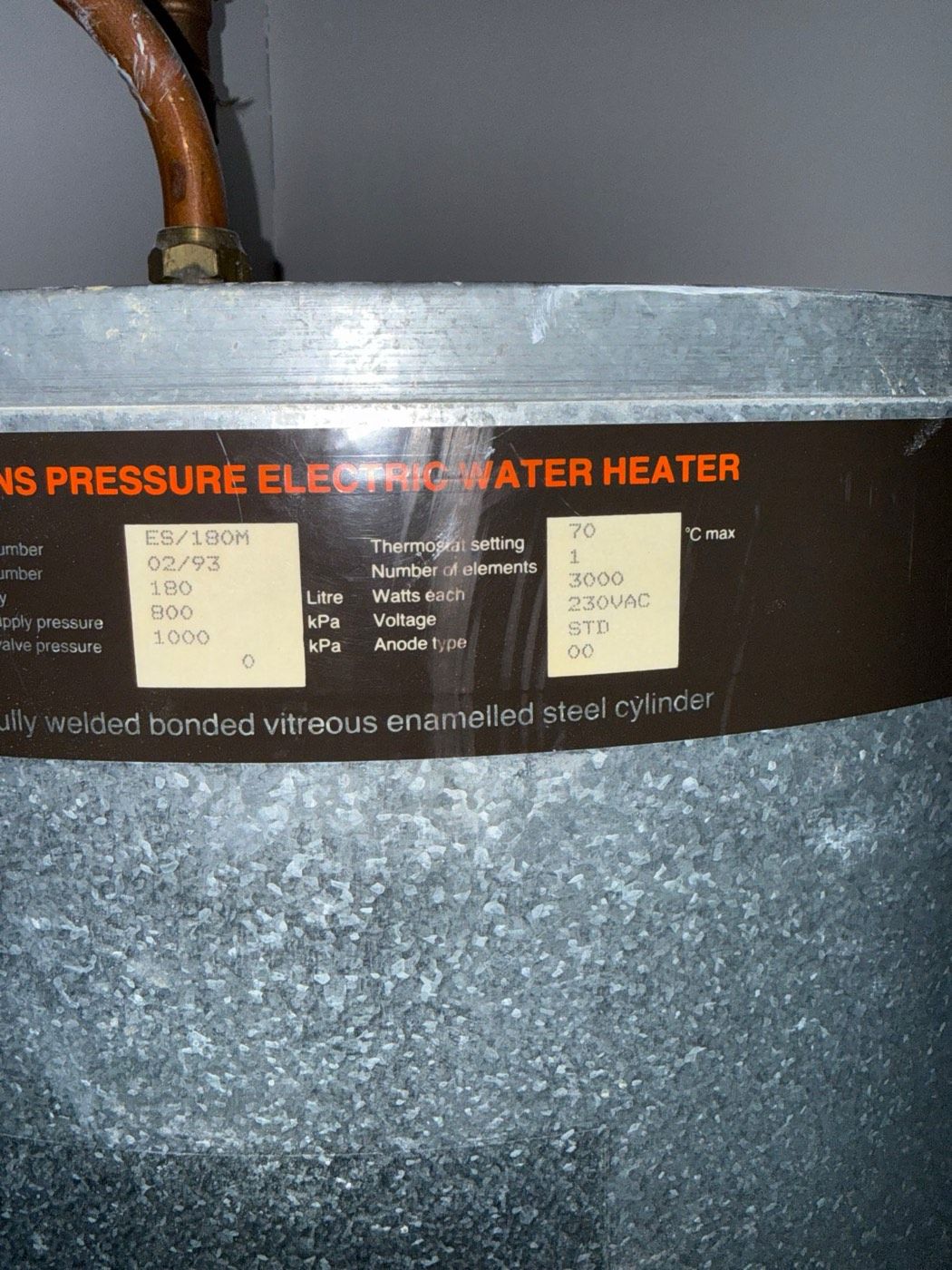
Cold rather than cool usually means the element or the thermostat has stopped, and both are electrical work rather than plumbing. Before an electrician is called, the age of the cylinder is worth checking: draining and refilling an old one to change an element can finish it off, and then two bills arrive instead of one.
Henderson: no hot water, and the cylinder was not the problem →The most common cause is not a fault. A 180 litre cylinder is two long showers, and it reheats over hours rather than minutes, so hot in the morning and lukewarm at night is a size problem. If every hot tap in the house went lukewarm at once and stayed that way, then the tempering valve is the suspect.
Stone cold and lukewarm are two different faults →Not every puddle under a cylinder is the cylinder. It can be the relief valve doing its job, the tundish, a pipe joint above, or the tank itself having rusted through — and only the last one means replacement. The four are easy to tell apart once you know where to look.
Water under the cylinder: four things it could be →That is the overflow from the vent or the relief valve, and on a low pressure system it is normal at times and a fault at others. Continuous running is a valve that has stopped seating, which wastes heated water all day and shows up on the power bill before anyone notices the pipe.
Why water runs out of the pipe on the roof →Sediment on the bottom of the tank traps water against the element, and it boils in pockets rather than heating evenly. The noise is a symptom of a cylinder that has been working for a long time, so it is usually a question about remaining life rather than a repair.
What the noises from a water heater mean →Gas splits into storage and continuous flow, and they fail in completely different ways. Continuous flow units that run cold after a few seconds are usually ignition or gas supply; a gas storage cylinder behaves much more like an electric one. Which you have decides everything that follows.
No hot water on gas: storage, continuous flow, and which you have →Repair or replace
On average a mains pressure cylinder lasts about ten years and a low pressure one about twenty. Auckland water and Auckland pressure move those numbers in both directions, so it is a guide rather than a rule — but it is the guide that decides whether spending money on a repair is sensible.
The trap is a cheap repair on an old cylinder. Replacing an element means draining and refilling the tank, and a tank thin enough to be near the end can fail during exactly that. The repair gets paid for, then the replacement does too, a fortnight later.
A leaking tank is the one symptom with no repair. Everything else — valves, elements, thermostats, tempering valves — is worth fixing on a cylinder that still has years in it.
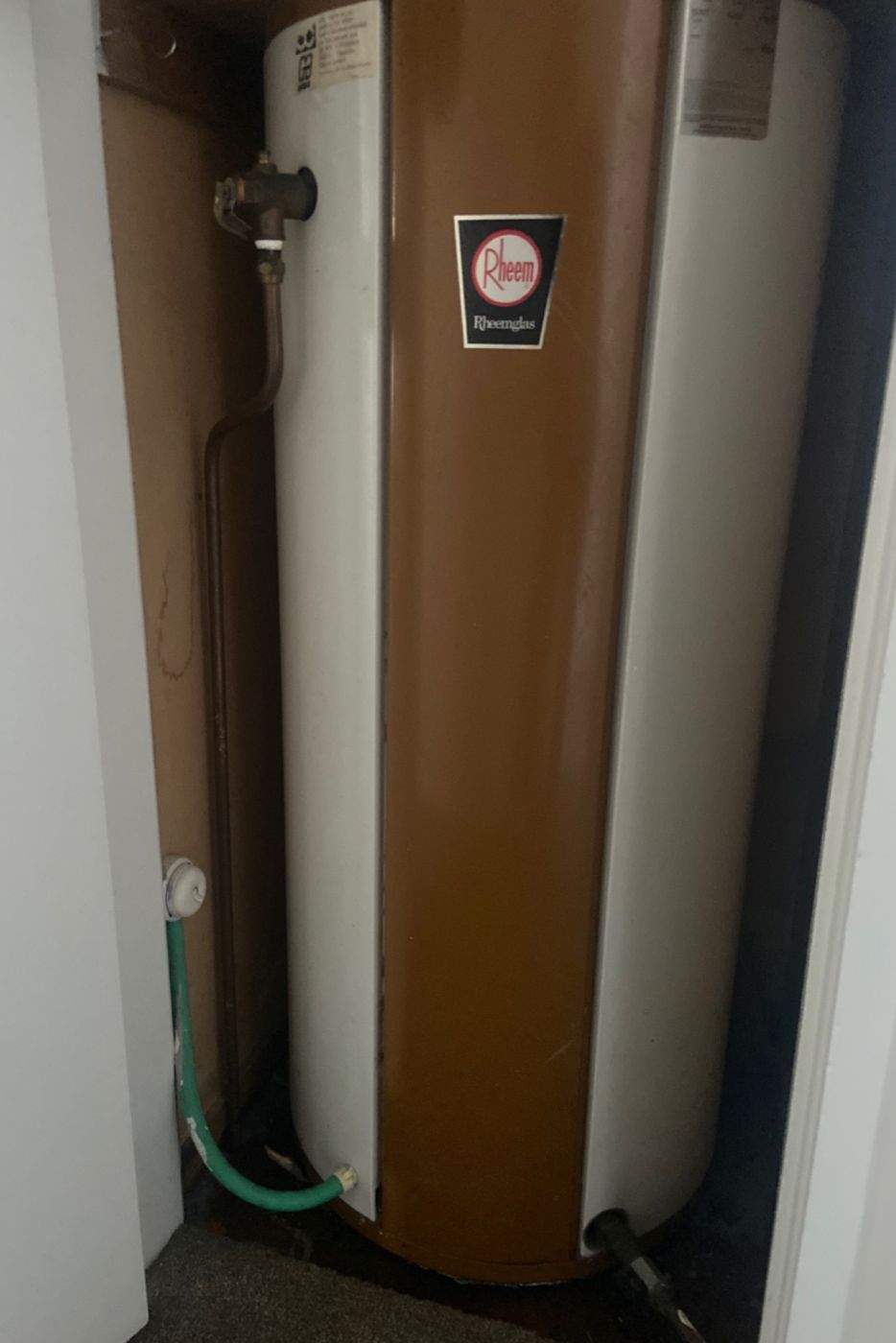
If it is due
Swapping like for like is the quick one. The other three change something about the house as well as the cylinder, which is worth knowing before the old one is already out.
The simplest and cheapest path, and the right one when the existing setup suits the house. Same pressure type, same position, back on the same day.
This is the upgrade people notice most, because it fixes weak showers at the same time as the hot water. It needs the incoming supply and the fixtures checked first, and it is far easier to do while a bathroom is already being renovated.
Titirangi: why the cylinder went in before the tiles →Roughly a third of the running cost of resistive electric, and worth doing when the cylinder is due anyway rather than as a standalone project. It has real siting requirements: a monoblock unit lives outside, and every brand sets its own clearances for servicing later, which is the detail that catches people who have already picked a spot.
The cylinders we install, and what they cost to supply →No storage, no reheat wait, and no cupboard taken up. It suits households that run out at the end of the day, and it needs gas of the right capacity — an existing cooktop connection is not automatically enough.
Our gasfitting work →Two cylinders in one house is more common than people expect, and not always necessary — a Manukau house where we replaced one and removed the other.
How a replacement runs
A surprising number of no-hot-water calls are the switchboard, the element, or a mixer at one fixture. This is the cheapest part of the job and it decides whether anything else needs to happen.
Mains pressure or low pressure, where it sits, how it vents, what the cupboard will take. A low pressure cylinder in a linen cupboard and a mains pressure unit in the same space are different jobs, and the difference is not the cylinder price.
A replacement is never just the unit. Valve set, tundish and drain, new connections, and often an electrician. We quote the finished job so the figure does not move on the day.
Most straight replacements are done in a day, with the hot water back on that evening. Changing pressure type, moving the cylinder, or going to a heat pump takes longer and we will say so before you book it.
We are certifying plumbers and gasfitters, so the compliance paperwork comes from us rather than a subcontractor. The manufacturer warranty is registered, and the old cylinder leaves with us.
Landlords and property managers
Hot water is one of the things a tenancy has to have, so these calls do not wait for a quote to be approved next week. We attend, report what it actually is with photos, and give the owner a decision to make rather than a bill to absorb.
Cylinder leaking now?
Turn the water off at the cylinder, switch the power off at the board, then call.
If you cannot find the isolating valve, the meter at the boundary will stop it too.
As an average, about ten years for a mains pressure cylinder and about twenty for a low pressure one. Water quality and pressure move those numbers a long way in both directions, so age alone is not a verdict — but a mains pressure cylinder past ten years that has started leaking or making noise is usually telling you something.
If the water is stone cold rather than lukewarm, it is most likely the element or the thermostat, and that is electrical work. Check the switchboard first. The one thing worth doing before calling anyone is finding out how old the cylinder is, because replacing an element in an old cylinder can cause it to fail during the drain and refill, and you end up paying for both.
Usually because the household is using more hot water than the cylinder holds. Reheating happens over hours, so hot in the morning and lukewarm in the evening points at capacity rather than a fault. If it went lukewarm everywhere in the house at once and stayed that way, the tempering valve is the likely cause — those have a life of around five to seven years. If only the shower is affected and the kitchen is still hot, it is the shower mixer, not the cylinder.
In most Auckland houses, yes, and the sensible time to decide is when the existing cylinder is due rather than while it is still working. The things that stop it are practical rather than technical: a monoblock unit has to sit outside, the manufacturer sets clearances around the unit so it can be serviced later, and the electrical supply has to suit. We check all of that on site against the requirements for the unit you are getting, before quoting, so nothing changes on install day.
It depends on the unit, the pressure type, and what the existing pipework and electrical need, which is why we quote the finished job rather than the cylinder. Supply prices for the range we install are published on our shop page, and our hourly rates and travel zones are on the rates page. A photo of the existing cylinder and its label gets you a much closer number than a phone conversation.
Cylinder supply prices on the shop page, labour on the rates page, more answers in our plumbing FAQ, and the rest of what we do on services.
